Quick Trim Blog

QuickTrim is a weight loss program that;

1. Burns fat
2. Supresses appetite 3. Cleanses the body of accumulated toxins
4. Supplies the body with supplements with antioxidant properties.

QuickTrim Bottle The QuickTrim products for weight loss are 3, some are used individual and some in combination. These 5 Quick Trim weight loss products are;

1. QuickTrim Extreme Burn Weight Loss Formular
2. QuickTrim Burn & Cleanse 14 Day Diet System
3. QuickTrim Fast-Shake (Protein Shake)

QuickTrim also a number of other products that work synergistically to enhance weight loss abilities of some of the main weight loss products above namely;

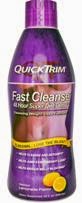
1. QuickTrim Fast Cleanse
2. QuickTrim Celluslim Body Sculpting Gel
3. QuickTrim Protein Shake
4. QuickTrim Sugar & Carb Cheater and
5. QuickTrim HotStix

Click here or click on the button below to get a QuickTrim product at a discount.

QuickTrim products are produced by a reputable company called GNC. GNC has been in the health and nutrition industry for years and they produce various other natural ingredient products. GNC is a trusted and professional company.

Showing posts with label Quicktrim Review. Show all posts

Tuesday, 2 July 2013

Research Breakthrough Of Essential Molecule Reveals Important Targets In Diabetes And Obesity

Insulin is the most potent physiological anabolic agent for tissue-building and energy storage, promoting the storage and synthesis of lipids, protein and carbohydrates, and inhibiting their breakdown and release into the circulatory system. It also plays a major role in stimulating glucose entry into muscle tissue, where the glucose is metabolized and removed from the blood following meals. But gaps exist in understanding the precise molecular mechanisms by which insulin regulates glucose uptake in fat and muscle cells.

A research team led by Assia Shisheva, Ph.D., professor of physiology in Wayne State University's School of Medicine, has made breakthrough advancements on a molecule that may provide more answers to this mystery.

The conserved phospholipid enzyme, PIKfyve, was discovered in Shisheva's lab in 1999. Based on studies in cultured cells, the lab has implicated PIKfyve in the insulin-regulated glucose transport activation, which led to the development of a unique mouse model with PIKfyve ablation, or removal, in muscle (MPlfKO), the tissue responsible for the majority of postprandial glucose disposal.

In Shisheva's recent paper, "Muscle-specific PIKfyve gene distribution causes glucose intolerance, insulin resistance, adiposity and hyperinsulinemia but not muscle fiber-type switching," published online in the American Journal of Physiology - Endocrinology and Metabolism, Shisheva and her research team characterize whether this new model exhibits metabolic defects.

"Our team found a striking metabolic phenotype in the MPIfKO mice consisting of glucose intolerance and insulin resistance at an early age and on a normal diet," said Shisheva, a resident of Royal Oak. "We also revealed that PIKfyve is essential for normal insulin signaling to GLUT4/glucose transport in muscle and provided the first in vivo evidence for the central role of PIKfyve in the mechanisms regulating healthy blood glucose levels, or glucose homeostasis."

In addition, the research team found that these metabolic disturbances were followed by increased animal fat (adiposity) and elevated levels of insulin (hyperinsulinemia), but not abnormal amounts of lipids or cholesterol in the blood (dyslipidemia).

"The combined phenotype manifested by the MPlfKO mouse closely recapitulates the cluster of typical features in human prediabetes including systemic glucose intolerance and insulin resistance, hyperinsulinemia and increased visceral obesity without dyslipidemia," said Shisheva.

"Therefore, our mouse model, in addition to providing novel mechanisms of insulin resistance, represents a valuable tool for exploring new preclinical strategies to improve treatments in individuals with prediabetes."

Providing reviews on QuickTrim products and weight loss writings & articles online.

Monday, 1 July 2013

Relationship Between Short-Term Antidepressant Use, Stress, High-Fat Diet And Long-Term Weight Gain

Short-term use of antidepressants, combined with stress and a high-fat diet, is associated with long-term increases in body weight, a new animal study finds. The results were presented Sunday at The Endocrine Society's 95th Annual Meeting in San Francisco.

"Our study suggests that short-term exposure to stress and antidepressants, rather than a high-calorie, high-fat diet alone, leads to long-term body weight gain, accompanied with increased bone and spleen weights," said study lead author Suhyun Lee, a PhD candidate in the medical sciences at the John Curtin School of Medical Research at the Australian National University in Canberra, Australia.

Antidepressants are among the most prevalent medications today, accounting for millions of prescriptions each year. In the United States, physicians wrote more than 1.5 million prescriptions for antidepressants in 2009, while physicians in Australia wrote more than 12 million of these prescriptions in 2008.

At the same time, obesity rates are climbing in developed countries worldwide. Among adults in both the United States and Australia, two-thirds are overweight or obese. Being overweight or obese is a risk factor for many serious diseases, including heart disease, which is the leading cause of death among adults in the United States and Australia.

Unfortunately, weight gain is one of the main side effects associated with antidepressants. The amount of excess weight varies between patients, but some have reported increases as high as 7 percent of the amount they weighed at the start of their antidepressant treatment.

In this study, male rats treated with the antidepressant fluoxetine after induced stress had significantly increased body weight compared to control animals. In addition to greater overall body weight, animals in the antidepressant group also developed greater bone and spleen weights, compared to animals in the control group.

"These findings may implicate different pathophysiological mechanisms in stress and antidepressant related obesity when compared to obesity that is solely diet-induced," Lee said.

During the follow-up, investigators also compared behavior between the drug and control groups. This comparison showed that the antidepressants reduced anxiety among the animals in response to induced stress. After the stressful periods, which involved physical restraint, the fluoxetine-treated animals exhibited significantly fewer symptoms of anxiety, compared to the control animals.

The study involved a two-week period of repeated restraint stress, combined with antidepressant treatment among one group of animals, and saline administration among the control group. After the two-week period, both groups of animals received a high-fat diet for 295 days.

Providing reviews on QuickTrim products and weight loss writings & articles online.

QuickTrim Burn & Cleanse

Quick Trim Burn And Cleanse