Quick Trim Blog

QuickTrim is a weight loss program that;

1. Burns fat
2. Supresses appetite 3. Cleanses the body of accumulated toxins
4. Supplies the body with supplements with antioxidant properties.

QuickTrim Bottle The QuickTrim products for weight loss are 3, some are used individual and some in combination. These 5 Quick Trim weight loss products are;

1. QuickTrim Extreme Burn Weight Loss Formular
2. QuickTrim Burn & Cleanse 14 Day Diet System
3. QuickTrim Fast-Shake (Protein Shake)

QuickTrim also a number of other products that work synergistically to enhance weight loss abilities of some of the main weight loss products above namely;

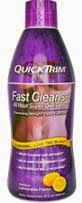
1. QuickTrim Fast Cleanse
2. QuickTrim Celluslim Body Sculpting Gel
3. QuickTrim Protein Shake
4. QuickTrim Sugar & Carb Cheater and
5. QuickTrim HotStix

Click here or click on the button below to get a QuickTrim product at a discount.

QuickTrim products are produced by a reputable company called GNC. GNC has been in the health and nutrition industry for years and they produce various other natural ingredient products. GNC is a trusted and professional company.

Showing posts with label QuickTrim. Show all posts

Friday, 5 July 2013

Weight Loss Promoted By Drug Combination In Polycystic Ovary Syndrome

Women with polycystic ovary syndrome, or PCOS, lost significantly more weight when they took two drugs that are traditionally used to treat diabetes, rather than either drug alone, a study from Slovenia demonstrates. The results were presented at The Endocrine Society's 95th Annual Meeting in San Francisco.

PCOS is the leading cause of infertility among women. In the United States, the disorder affects approximately 5 million women, according to the U.S. Department of Health and Human Services Office of Women's Health. This translates to 1 in 10 to 20 women, overall, who are affected. The disease probably is genetic, although the exact causes are still unknown.

In PCOS, the ovaries produce excessive amounts of male sex hormones, or androgens. The name of the disease derives from small cysts that form on the ovaries, which do not produce enough of the hormone that triggers ovulation. When this occurs, the ovarian follicles, which have filled with fluid in preparation for ovulation, remain as cysts when ovulation fails to take place. In addition to infertility, symptoms include excessive hair growth in areas that usually are relatively hairless; obesity; menstrual irregularity; thinning or balding hair on the scalp; prediabetes or diabetes; and anxiety or depression. Weight loss in these women leads to higher chances of conception, improved pregnancy outcomes and improved metabolic profile.

Treatment varies depending upon the severity of the disease, and includes lifestyle modifications and drug therapy. Some of the same medications that are used to treat diabetes also improve PCOS symptoms. One of these medications, metformin, works by regulating the hormone insulin and by suppressing androgen activity, which, in turn, helps control blood-sugar levels and has beneficial effects on ovarian function. The problem with metformin, however, is that it does not always aid with weight loss.

Because of this, investigators examined different drug combinations to see which ones caused the most weight loss. In addition to metformin, they administered another diabetes medication called liraglutide, both alone and in combination with metformin, to determine which approach led to the greatest amount of weight loss.

They found that patients who took the combined drugs lost 6.5 kilograms (kg), or about 14 pounds, on average, compared to about 4 kg, or almost 9 pounds, on liraglutide alone, and 1 kg, or about 2 pounds, on metformin alone. Furthermore, 22 percent of participants on the combined treatment lost a significant amount of weight, defined as 5 percent or more of their body weight, compared to 16 percent of those on liraglutide. No one in the metformin group achieved this amount of weight loss. In terms of body-mass index and waist circumference, the combined-treatment group saw greater improvements than either of the single-medication groups. For both of these measurements, liraglutide alone outperformed metformin alone.

"The effect of metformin on weight reduction in polycystic ovary syndrome is often unsatisfactory," said study author Mojca Jensterle Sever, MD, PhD, who served as lead author with Andrej Janez, MD, PhD, a fellow consultant at the University Medical Center in Ljubljana, Slovenia. "Short-term combined treatment with liraglutide and metformin appears better than either metformin or liraglutide alone on weight loss and decrease in waist circumference in obese women with PCOS who had been previously poor responders regarding weight reduction on metformin alone."

The main side effect was nausea, which occurred more often with liraglutide than with metformin. The nausea did improve with time, however, and was not associated with weight loss.

Study participants comprised 36 women with PCOS who had lost less than 5 percent of their body weight on a six-month course of metformin preceding the study. Their average age was 31 years. Investigators randomly assigned them to one of three treatment groups for the 12-week study, including metformin alone, liraglutide alone, and both medications.

Providing reviews on QuickTrim products and weight loss writings & articles online.

Wednesday, 3 July 2013

Identifying Genetic Markers In Overweight Newborns Could Prevent Obesity In Later Life

Similar genetic variations occur in both overweight newborns and obese adults, a large study finds. The results were presented at The Endocrine Society's 95th Annual Meeting in San Francisco.

"Our data suggest that adult obesity and newborn adiposity share, in part, a common genetic background," said study lead author Reeti Chawla, MD, fellow in pediatric endocrinology at Ann & Robert H. Lurie Children's Hospital of Chicago and the Northwestern University Feinberg School of Medicine, in Chicago, IL. "Allowing earlier identification of high-risk newborns may allow for earlier interventions to take place to possibly prevent obesity later in life. "

Obesity has become an epidemic worldwide. In the United States alone, more than one-third of adults are obese, according to the Centers for Disease Control and Prevention. Excess weight and obesity are related to numerous health problems, including heart disease, type 2 diabetes, stroke and some cancers. Since being obese in childhood increases the risk of adult obesity, medical researchers are interested in identifying early risk factors, or genetic markers, to help predict who is at greater risk for weight gain.

One of these genetic markers is called a single nucleotide polymorphism, or SNP, which is a naturally occurring genetic variant within the general population. In this case, investigators used SNPs related to adult obesity to identify genetic markers associated with higher newborn weight and skinfold thickness.

Investigators were able to identify 144 SNPs associated with birth weight or skinfold thickness. Since some of these 144 SNPs are closely linked and inherited together, they then narrowed the group down to 45 SNPs that are related to higher fat among newborns.

Investigators obtained the genetic data of 4,465 newborns from a large, multi-ethnic study examining the association between maternal blood-sugar levels and risk of poor pregnancy outcome. The study, called the Hyperglycemia and Adverse Pregnancy Outcomes, or HAPO, comprised mothers and infants from diverse ethnic backgrounds, including 1,095 Afro-Caribbean, 1,363 European, 616 Mexican-American and 1,207 of Thai descent.

Chawla said that she and her team now are using the 45 SNPs identified in this study to develop a genetic risk score "to determine whether bearing a large number of these SNPs predicts which newborns are at risk for increased fat at birth and, potentially, obesity later in life."

Providing reviews on QuickTrim products and weight loss writings & articles online.

Monday, 1 July 2013

Your Weight, Eating Behavior, Likely Impacted By What You Believe Causes Obesity

Whether a person believes obesity is caused by overeating or by a lack of exercise predicts his or her actual body mass, according to new research published in Psychological Science, a journal of the Association for Psychological Science.

Obesity has become a pressing public health issue in recent years, with two-thirds of U.S. adults classified as overweight or obese and similar trends unfolding in many developed nations. Researchers Brent McFerran of the Ross School of Business at the University of Michigan and Anirban Mukhopadhyay of Hong Kong University of Science and Technology wondered whether individual beliefs might play a role in these trends.

From an initial online survey, they discovered that people seem to subscribe to one of two major beliefs about the primary cause of obesity:

"There was a clear demarcation," says McFerran. "Some people overwhelmingly implicated poor diet, and a roughly equal number implicated lack of exercise. Genetics, to our surprise, was a far distant third."

McFerran and Mukhopadhyay wanted to dig deeper to see if the pattern could be replicated and, if so, what implications it might have for behavior. They conducted a series of studies across five countries on three continents.

Data from participants in Korea, the United States, and France showed the same overall pattern: Not only did people tend to implicate diet or exercise as the leading cause of obesity, people who implicated diet as the primary cause of obesity actually had lower BMIs than those who implicated lack of exercise.

"What surprised me the most was the fact that we found lay theories to have an effect on BMI over and above other known factors, such as socio-economic status, age, education, various medical conditions, and sleep habits," says McFerran.

The researchers hypothesized that the link between people's beliefs and their BMI might have to do with how much they eat.

A study with Canadian participants revealed that participants who linked obesity to lack of exercise ate significantly more chocolates than those who linked obesity to diet. And a study with participants in Hong Kong showed that participants who were primed to think about the importance of exercise ate more chocolate than those primed to contemplate diet.

These findings provide evidence that our everyday beliefs about obesity may actually influence our eating habits - and our body mass.

According to Mukhopadhyay, this is "the first research that has drawn a link between people's beliefs and the obesity crisis, which is growing as fast as people's waistlines are."

The new findings suggest that, in order to be effective, public health campaigns may need to target people's beliefs just as much as they target their behaviors.

Providing reviews on QuickTrim products and weight loss writings & articles online.

Relationship Between Short-Term Antidepressant Use, Stress, High-Fat Diet And Long-Term Weight Gain

Short-term use of antidepressants, combined with stress and a high-fat diet, is associated with long-term increases in body weight, a new animal study finds. The results were presented Sunday at The Endocrine Society's 95th Annual Meeting in San Francisco.

"Our study suggests that short-term exposure to stress and antidepressants, rather than a high-calorie, high-fat diet alone, leads to long-term body weight gain, accompanied with increased bone and spleen weights," said study lead author Suhyun Lee, a PhD candidate in the medical sciences at the John Curtin School of Medical Research at the Australian National University in Canberra, Australia.

Antidepressants are among the most prevalent medications today, accounting for millions of prescriptions each year. In the United States, physicians wrote more than 1.5 million prescriptions for antidepressants in 2009, while physicians in Australia wrote more than 12 million of these prescriptions in 2008.

At the same time, obesity rates are climbing in developed countries worldwide. Among adults in both the United States and Australia, two-thirds are overweight or obese. Being overweight or obese is a risk factor for many serious diseases, including heart disease, which is the leading cause of death among adults in the United States and Australia.

Unfortunately, weight gain is one of the main side effects associated with antidepressants. The amount of excess weight varies between patients, but some have reported increases as high as 7 percent of the amount they weighed at the start of their antidepressant treatment.

In this study, male rats treated with the antidepressant fluoxetine after induced stress had significantly increased body weight compared to control animals. In addition to greater overall body weight, animals in the antidepressant group also developed greater bone and spleen weights, compared to animals in the control group.

"These findings may implicate different pathophysiological mechanisms in stress and antidepressant related obesity when compared to obesity that is solely diet-induced," Lee said.

During the follow-up, investigators also compared behavior between the drug and control groups. This comparison showed that the antidepressants reduced anxiety among the animals in response to induced stress. After the stressful periods, which involved physical restraint, the fluoxetine-treated animals exhibited significantly fewer symptoms of anxiety, compared to the control animals.

The study involved a two-week period of repeated restraint stress, combined with antidepressant treatment among one group of animals, and saline administration among the control group. After the two-week period, both groups of animals received a high-fat diet for 295 days.

Providing reviews on QuickTrim products and weight loss writings & articles online.

Thursday, 27 June 2013

In Animal Model, Dietary Fructose Found To Cause Liver Damage

The role of dietary fructose in the development of obesity and fatty liver diseases remains controversial, with previous studies indicating that the problems resulted from fructose and a diet too high in calories.

However, a new study conducted in an animal model at Wake Forest Baptist Medical Center showed that fructose rapidly caused liver damage even without weight gain. The researchers found that over the six-week study period liver damage more than doubled in the animals fed a high-fructose diet as compared to those in the control group.

The study is published in the American Journal of Clinical Nutrition.

"Is a calorie a calorie? Are they all created equal? Based on this study, we would say not," said Kylie Kavanagh, D.V.M., assistant professor of pathology-comparative medicine at Wake Forest Baptist and lead author of the study.

In a previous trial which is referenced in the current journal article, Kavanagh's team studied monkeys who were allowed to eat as much as they wanted of low-fat food with added fructose for seven years, as compared to a control group fed a low-fructose, low-fat diet for the same time period. Not surprisingly, the animals allowed to eat as much as they wanted of the high-fructose diet gained 50 percent more weight than the control group. They developed diabetes at three times the rate of the control group and also developed hepatic steatosis, or non-alcoholic fatty liver disease.

The big question for the researchers was what caused the liver damage. Was it because the animals got fat from eating too much, or was it something else?

To answer that question, this study was designed to prevent weight gain. Ten middle-aged, normal weight monkeys who had never eaten fructose were divided into two groups based on comparable body shapes and waist circumference. Over six weeks, one group was fed a calorie-controlled diet consisting of 24 percent fructose, while the control group was fed a calorie-controlled diet with only a negligible amount of fructose, approximately 0.5 percent.

Both diets had the same amount of fat, carbohydrate and protein, but the sources were different, Kavanagh said. The high-fructose group's diet was made from flour, butter, pork fat, eggs and fructose (the main ingredient in corn syrup), similar to what many people eat, while the control group's diet was made from healthy complex carbohydrates and soy protein.

Every week the research team weighed both groups and measured their waist circumference, then adjusted the amount of food provided to prevent weight gain. At the end of the study, the researchers measured biomarkers of liver damage through blood samples and examined what type of bacteria was in the intestine through fecal samples and intestinal biopsies.

"What surprised us the most was how quickly the liver was affected and how extensive the damage was, especially without weight gain as a factor," Kavanagh said. "Six weeks in monkeys is roughly equivalent to three months in humans."

In the high-fructose group, the researchers found that the type of intestinal bacteria hadn't changed, but that they were migrating to the liver more rapidly and causing damage there. It appears that something about the high fructose levels was causing the intestines to be less protective than normal, and consequently allowing the bacteria to leak out at a 30 percent higher rate, Kavanagh said.

One of the limitations of the study was that it only tested for fructose and not dextrose. Fructose and dextrose are simple sugars found naturally in plants.

"We studied fructose because it is the most commonly added sugar in the American diet, but based on our study findings, we can't say conclusively that fructose caused the liver damage," Kavanagh said. "What we can say is that high added sugars caused bacteria to exit the intestines, go into the blood stream and damage the liver.

"The liver damage began even in the absence of weight gain. This could have clinical implications because most doctors and scientists have thought that it was the fat in and around tissues in the body that caused the health problems."

The Wake Forest Baptist team plans to begin a new study using the same controls but testing for both fructose and dextrose over a longer time frame.

Providing reviews on QuickTrim products and weight loss writings & articles online.

Tuesday, 25 June 2013

Trying To Lose Weight? Go Herbal

These days, there is a great need for overweight Americans to lose those excess pounds. Being healthy would not only lead them to have a healthier lifestyle but it will also literally lighten their load, and improve their overall well-being.

There is a long list of dieting options available. There are exercise programs, exercise machines, dietary supplements, dietary food and drinks, diet pills - there are even soaps which claim to help you lose pounds while you bathe.

One other available option to shed off those unwanted pounds is to go herbal.

Herbal weight loss products have been in great demand for people who want to lose weight the natural way. However, when you take herbal supplements to lose weight, you would have to wait for a longer time for the results because of the more subtle effects of medicines which came from plants and natural herbs.

Here are some herbal weight loss options that you might want to consider:

1. Herbal weight loss products

There are a lot of herbal weight loss products available in the market now. You can check out the Internet and you will find a lot of herbal weight loss pills and products.

Be careful, however, as there are some products which claim to be safe and natural because they are herbal, but some actually have side effects because of non-extensive research on the effects of these products.

Here are some ingredients and chemicals which make up some herbal weight loss products that you should watch out for, as they might have harmful effects to your health:

> Senna. This is an herbal laxative. Senna is a main ingredient in weight loss teas, and it works by stimulation the colon. The downside effect of this herb is dehydration. It can also lead to colon problems and can become addictive. Some people, when addicted, are unable to perform bowel movements without it, so watch out.

> Chromium picolinate. This is a synthetic compound found in herbal weight loss products. Chromium is a nutrient which helps regulate blood-sugar level. However, this ingredient, when taken in high doses, may cause damage in the chromosomes. It can also lead to dehydration.

> St. John's wort. This supplement increases the production of a chemical in the brain. If not used properly, it may cause eye and skin sensitivity, mild gastrointestinal distress, fatigue and itching.

Although a lot of herbal products claim to be safe and natural, it is better to scrutinize the ingredients and research about the effects of the product itself before going for these herbal dietary pills.

2. Organic food

In Wichita, Kansas, organic food has found its way to more homes and restaurants. Organic food devotees believe that consuming organic goodies help their bodies as well as the environment.

A person who buys organically raised eggs and vegetables claim to be healthier, and they are not spending money on doctors and prescriptions as these keep them healthier and away from the hospital. This could also be an option for weight watchers, as organic food is known to be kinder to your weight than chemically-processed food products.

3. Green Tea

Studies show that intake of green tea, or green tea extracts burns extra calories. Also, green tea with caffeine can increase fat burning by up to 40% thereby reducing fat.

This is one good option for those who want to lose weight. In a study done, people who took green tea were found to lose 2 to 3 times more weight than those who did not drink green tea.

These results show that green tea is a natural product for the treatment of obesity. Thus, it also makes for a healthier dietary option, not to mention the good effects that it has on the body as compared to caffeine. A cup of tea gives an emmediate energy lift without the side effects of caffeine.

3. Caffeine

Coffee provides an energy boost to increase fat burning. Caffeine also provides a likelihood to be active, which in turn increases your rate of calorie burn.

4. Immortality Herb

This herb, whose scientific name is Gymnostemna Pentaphyllum, is known to have the following benefits:

> increases healthy blood flow

> reduces artery blocks

> aids healthy blood pressure

> increases the rate of fat burning

5. Apple Cider Vinegar

There are pills and food supplements whose main ingredient is apple cider vinegar. Here are the benefits of taking this herbal option:

> weight loss

> improved cholesterol level

> improved high blood pressure

> helps prevent rheumatoid arthritis

QuickTrim Burn & Cleanse

Quick Trim Burn And Cleanse