Quick Trim Blog

QuickTrim is a weight loss program that;

1. Burns fat
2. Supresses appetite 3. Cleanses the body of accumulated toxins
4. Supplies the body with supplements with antioxidant properties.

QuickTrim Bottle The QuickTrim products for weight loss are 3, some are used individual and some in combination. These 5 Quick Trim weight loss products are;

1. QuickTrim Extreme Burn Weight Loss Formular
2. QuickTrim Burn & Cleanse 14 Day Diet System
3. QuickTrim Fast-Shake (Protein Shake)

QuickTrim also a number of other products that work synergistically to enhance weight loss abilities of some of the main weight loss products above namely;

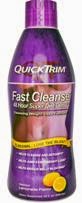
1. QuickTrim Fast Cleanse
2. QuickTrim Celluslim Body Sculpting Gel
3. QuickTrim Protein Shake
4. QuickTrim Sugar & Carb Cheater and
5. QuickTrim HotStix

Click here or click on the button below to get a QuickTrim product at a discount.

QuickTrim products are produced by a reputable company called GNC. GNC has been in the health and nutrition industry for years and they produce various other natural ingredient products. GNC is a trusted and professional company.

Showing posts with label Quick Trim Kardashians. Show all posts

Wednesday, 3 July 2013

Fat Tissues In Sheep Affected By Prenatal Exposure To BPA

New research suggests that fetal exposure to the common environmental chemical bisphenol A, or BPA, causes increased inflammation in fat tissues after birth, which can lead to obesity and metabolic syndrome. Results of the animal study were presented at The Endocrine Society's 95th Annual Meeting in San Francisco.

Found in plastic water bottles, older baby bottles and many other consumer products, BPA is a known hormone disrupter with estrogen-like properties. Prior research has linked BPA in both animals and humans to obesity and the metabolic syndrome, which is a cluster of metabolic risk factors that increase the chance of later developing diabetes, heart disease and stroke.

"This research is the first study to show that prenatal exposure to BPA increases postnatal fat tissue inflammation, a condition that underlies the onset of metabolic diseases such as obesity, diabetes and cardiovascular disease," said the study's lead author, Almudena Veiga-Lopez, DVM, PhD, a research investigator at the University of Michigan, Ann Arbor.

She said the study, which examines the effects of BPA on sheep, improves the understanding of how prenatal BPA exposure regulates the inflammatory response in offspring in the tissues that are relevant to development of metabolic disease. The study was conducted in the laboratory of Vasantha Padmanabhan, MS, PhD, Professor at the University of Michigan, Ann Arbor, with funding from the National Institutes of Health's National Institutes of Environmental Health Sciences. Veiga-Lopez said sheep have similar body fat to that in humans, including visceral (deep belly) fat and subcutaneous fat, which is directly below the skin.

The researchers fed two groups of pregnant sheep corn oil, either with nothing added to it or with added BPA at a dose needed to achieve BPA levels similar to those seen in human cord blood in the umbilical cord blood of the sheep offspring. Of the female offspring from the sheep, half from each group were overfed at approximately 6 weeks of age. All female offspring then were divided into four groups of nine to 12 animals each: (1) non-BPA-exposed controls that received a normal diet, (2) BPA-exposed offspring that received a normal diet, (3) overfed, obese controls and (4) overfed, obese BPA-exposed offspring.

At 15 months of age, sheep underwent a glucose tolerance test, to measure their insulin and blood sugar levels. Seven months later, the researchers collected samples of the animals' visceral and subcutaneous fat tissues to evaluate levels of two biological markers of inflammation. These biomarkers were CD68, a marker for inflammatory cells, and adiponectin, a molecule with a known role in the development of metabolic syndrome. When the adiponectin level decreases or CD68 expression increases, inflammation is worse, according to Veiga-Lopez.

Adiponectin was decreased and CD68 expression was raised in the visceral fat of both obese groups, and CD68 expression also was raised in the subcutaneous fat in normal weight, BPA-exposed female offspring, Veiga-Lopez reported. She said these results suggest that "prenatal BPA exposure and postnatal diet may interact to modulate inflammatory mechanisms in fat deposits."

Both obese groups had hyperinsulinemia, or high insulin levels, a precursor to insulin resistance, which is a prediabetic state, Veiga-Lopez reported. However, she said prenatal exposure to BPA did not lead to insulin resistance in sheep, as was true in a previous mouse study. She speculated that the hyperinsulinemia in obese offspring stems from changes that occurred in the two inflammatory markers in the visceral fat deposit.

Providing reviews on QuickTrim products and weight loss writings & articles online.

Monday, 1 July 2013

Your Weight, Eating Behavior, Likely Impacted By What You Believe Causes Obesity

Whether a person believes obesity is caused by overeating or by a lack of exercise predicts his or her actual body mass, according to new research published in Psychological Science, a journal of the Association for Psychological Science.

Obesity has become a pressing public health issue in recent years, with two-thirds of U.S. adults classified as overweight or obese and similar trends unfolding in many developed nations. Researchers Brent McFerran of the Ross School of Business at the University of Michigan and Anirban Mukhopadhyay of Hong Kong University of Science and Technology wondered whether individual beliefs might play a role in these trends.

From an initial online survey, they discovered that people seem to subscribe to one of two major beliefs about the primary cause of obesity:

"There was a clear demarcation," says McFerran. "Some people overwhelmingly implicated poor diet, and a roughly equal number implicated lack of exercise. Genetics, to our surprise, was a far distant third."

McFerran and Mukhopadhyay wanted to dig deeper to see if the pattern could be replicated and, if so, what implications it might have for behavior. They conducted a series of studies across five countries on three continents.

Data from participants in Korea, the United States, and France showed the same overall pattern: Not only did people tend to implicate diet or exercise as the leading cause of obesity, people who implicated diet as the primary cause of obesity actually had lower BMIs than those who implicated lack of exercise.

"What surprised me the most was the fact that we found lay theories to have an effect on BMI over and above other known factors, such as socio-economic status, age, education, various medical conditions, and sleep habits," says McFerran.

The researchers hypothesized that the link between people's beliefs and their BMI might have to do with how much they eat.

A study with Canadian participants revealed that participants who linked obesity to lack of exercise ate significantly more chocolates than those who linked obesity to diet. And a study with participants in Hong Kong showed that participants who were primed to think about the importance of exercise ate more chocolate than those primed to contemplate diet.

These findings provide evidence that our everyday beliefs about obesity may actually influence our eating habits - and our body mass.

According to Mukhopadhyay, this is "the first research that has drawn a link between people's beliefs and the obesity crisis, which is growing as fast as people's waistlines are."

The new findings suggest that, in order to be effective, public health campaigns may need to target people's beliefs just as much as they target their behaviors.

Providing reviews on QuickTrim products and weight loss writings & articles online.

Wednesday, 26 June 2013

Obese Women Who Skip Breakfast At Greater Risk For Insulin Resistance

Overweight women who skip breakfast experience acute, or rapid-onset, insulin resistance, a condition that, when chronic, is a risk factor for diabetes, a new study finds. The results, which were presented at The Endocrine Society's 95th Annual Meeting in San Francisco, suggest that regularly skipping breakfast over time may lead to chronic insulin resistance and thus could increase an individual's risk for type 2 diabetes.

"Our study found that acute insulin resistance developed after only one day of skipping breakfast," said the study's lead author, Elizabeth Thomas, MD, an endocrinology fellow at the University of Colorado School of Medicine in Aurora.

In insulin resistance, a person requires more insulin to bring their glucose, or blood sugar, into a normal range, she explained.

Thomas and co-workers studied nine nondiabetic women, with an average age of 29, who were overweight or obese. The study took place on two days about a month apart. Subjects were randomly assigned to receive either breakfast or no breakfast at the first visit and the opposite at the second visit. Four hours later, all subjects ate the same standardized lunch at each visit. They had blood samples taken every 30 minutes after lunch for three hours to test their insulin and glucose levels.

It is normal for glucose levels to rise after eating a meal, which then triggers insulin production. The researchers found, however, that the women's insulin and glucose levels after lunch were significantly higher on the day they skipped breakfast than on the day when participants ate breakfast. The higher levels demonstrated acute insulin resistance because of skipping breakfast, according to Thomas.

It was not clear if this "heightened metabolic response" was temporary or lasting, but it may contribute to the development of chronic insulin resistance, she said. When the body becomes permanently resistant to the effects of the hormone insulin, sugar builds up in the blood, which can lead to prediabetes and diabetes over time.

"This information should help health care providers in counseling patients as to why it is better to eat a healthy, balanced breakfast than to skip breakfast," Thomas said.

Providing reviews on QuickTrim products and weight loss writings & articles online.

QuickTrim Burn & Cleanse

Quick Trim Burn And Cleanse