Quick Trim Blog

QuickTrim is a weight loss program that;

1. Burns fat
2. Supresses appetite 3. Cleanses the body of accumulated toxins
4. Supplies the body with supplements with antioxidant properties.

QuickTrim Bottle The QuickTrim products for weight loss are 3, some are used individual and some in combination. These 5 Quick Trim weight loss products are;

1. QuickTrim Extreme Burn Weight Loss Formular
2. QuickTrim Burn & Cleanse 14 Day Diet System
3. QuickTrim Fast-Shake (Protein Shake)

QuickTrim also a number of other products that work synergistically to enhance weight loss abilities of some of the main weight loss products above namely;

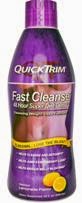
1. QuickTrim Fast Cleanse
2. QuickTrim Celluslim Body Sculpting Gel
3. QuickTrim Protein Shake
4. QuickTrim Sugar & Carb Cheater and
5. QuickTrim HotStix

Click here or click on the button below to get a QuickTrim product at a discount.

QuickTrim products are produced by a reputable company called GNC. GNC has been in the health and nutrition industry for years and they produce various other natural ingredient products. GNC is a trusted and professional company.

Showing posts with label Is Quicktrim Safe. Show all posts

Wednesday, 3 July 2013

Fat Tissues In Sheep Affected By Prenatal Exposure To BPA

New research suggests that fetal exposure to the common environmental chemical bisphenol A, or BPA, causes increased inflammation in fat tissues after birth, which can lead to obesity and metabolic syndrome. Results of the animal study were presented at The Endocrine Society's 95th Annual Meeting in San Francisco.

Found in plastic water bottles, older baby bottles and many other consumer products, BPA is a known hormone disrupter with estrogen-like properties. Prior research has linked BPA in both animals and humans to obesity and the metabolic syndrome, which is a cluster of metabolic risk factors that increase the chance of later developing diabetes, heart disease and stroke.

"This research is the first study to show that prenatal exposure to BPA increases postnatal fat tissue inflammation, a condition that underlies the onset of metabolic diseases such as obesity, diabetes and cardiovascular disease," said the study's lead author, Almudena Veiga-Lopez, DVM, PhD, a research investigator at the University of Michigan, Ann Arbor.

She said the study, which examines the effects of BPA on sheep, improves the understanding of how prenatal BPA exposure regulates the inflammatory response in offspring in the tissues that are relevant to development of metabolic disease. The study was conducted in the laboratory of Vasantha Padmanabhan, MS, PhD, Professor at the University of Michigan, Ann Arbor, with funding from the National Institutes of Health's National Institutes of Environmental Health Sciences. Veiga-Lopez said sheep have similar body fat to that in humans, including visceral (deep belly) fat and subcutaneous fat, which is directly below the skin.

The researchers fed two groups of pregnant sheep corn oil, either with nothing added to it or with added BPA at a dose needed to achieve BPA levels similar to those seen in human cord blood in the umbilical cord blood of the sheep offspring. Of the female offspring from the sheep, half from each group were overfed at approximately 6 weeks of age. All female offspring then were divided into four groups of nine to 12 animals each: (1) non-BPA-exposed controls that received a normal diet, (2) BPA-exposed offspring that received a normal diet, (3) overfed, obese controls and (4) overfed, obese BPA-exposed offspring.

At 15 months of age, sheep underwent a glucose tolerance test, to measure their insulin and blood sugar levels. Seven months later, the researchers collected samples of the animals' visceral and subcutaneous fat tissues to evaluate levels of two biological markers of inflammation. These biomarkers were CD68, a marker for inflammatory cells, and adiponectin, a molecule with a known role in the development of metabolic syndrome. When the adiponectin level decreases or CD68 expression increases, inflammation is worse, according to Veiga-Lopez.

Adiponectin was decreased and CD68 expression was raised in the visceral fat of both obese groups, and CD68 expression also was raised in the subcutaneous fat in normal weight, BPA-exposed female offspring, Veiga-Lopez reported. She said these results suggest that "prenatal BPA exposure and postnatal diet may interact to modulate inflammatory mechanisms in fat deposits."

Both obese groups had hyperinsulinemia, or high insulin levels, a precursor to insulin resistance, which is a prediabetic state, Veiga-Lopez reported. However, she said prenatal exposure to BPA did not lead to insulin resistance in sheep, as was true in a previous mouse study. She speculated that the hyperinsulinemia in obese offspring stems from changes that occurred in the two inflammatory markers in the visceral fat deposit.

Providing reviews on QuickTrim products and weight loss writings & articles online.

Tuesday, 2 July 2013

CNIO Researchers Discover A New Gene Involved In Obesity

RAP1 is a gene that also protects telomeres. This is the first time that a link has been found between these structures that shorten with ageing and obesity

The discovery of an unexpected function for a gene that was associated to another process in the organism might be a solution in search of a problem, a clue to unsuspected connections. That is what has happened with RAP1, a gene that protects telomeres - the ends of chromosomes - after researchers from the Spanish National Cancer Research Centre (CNIO) surprisingly discovered its key role in obesity.

"We still don't know what evolutionary significance to attach to it, but it is at the very least interesting that a telomere gene is related to obesity", says Maria Blasco, CNIO director and co-author of the study published in the journal Cell Reports.

RAP1 forms part of the shelterin complex, a group of proteins that make up the protective hood of telomeres - the DNA sequence at the ends of chromosomes that shortens with each cellular division and thus measures the ageing of the organism. There are six shelterins, and CNIO's Telomeres & Telomerase Group, which studies them in-depth, has discovered that RAP1, contrary to the rest, is not essential for the survival of the organism; but that does not mean RAP1 is not important. The reverse is rather the case: when comparing the genomes of different species, it can be observed that RAP1 is the most conserved shelterin of all. Despite the long history of evolutionary changes, RAP1 has not changed; it is present even in yeast. This normally implies an important role in the organism, but which one?

CNIO researchers had discovered that RAP1, in addition to being located in telomeres, is also present in the rest of the chromosome; they supposed it acts regulating the action of other genes. In order to analyse this other potential function, and its importance in the organism, CNIO researchers created a lineage of mice without RAP1 and, to their surprise, discovered a model for obesity.

MICE LACKING RAP1 GAIN MORE WEIGHT

"Mice - especially female mice - without RAP1 do not eat more, but do gain weight. They suffer from metabolic syndrome, accumulate abdominal fat and present high glucose and cholesterol levels, amongst other symptoms", says Paula Martínez, first-author of the study.

The reason is that RAP1 plays an important role in the regulation of genes involved in metabolism. In particular, researchers have discovered that it acts on the same signalling pathway mediated by another protein: PPAR- gamma (PPAR-?). In fact, PPAR-? deficient mice suffer from a type of obesity "surprisingly similar" to that seen in mice without RAP1.

The next step in the research will be to study if RAP1 also plays a role in human obesity. "This discovery adds an element to the obesity equation, and opens up a possible new link between metabolic dysfunction and ageing, via a protein present in telomeres", says Blasco.

Providing reviews on QuickTrim products and weight loss writings & articles online.

Saturday, 29 June 2013

Healthy Living Learned By Example

Kids whose moms encourage them to exercise and eat well, and model those healthy behaviors themselves, are more likely to be active and healthy eaters, according to researchers at Duke Medicine.

Their findings, published online in the International Journal of Obesity,remind parents that they are role models for their children, and underscore the importance of parental policies promoting physical activity and healthy eating.

Exercise and healthy diets are critical in fighting childhood obesity, a considerable problem in the United States, where over a quarter of kids ages two to five are already overweight or obese.

"Obesity is a complex phenomenon, which is influenced by individual biological factors and behaviors," said study author Truls Østbye, M.D., PhD, professor of community and family medicine at Duke. "But there are variations in obesity from one society to another and from one environment to another, so there is clearly something in the environment that strongly influences the obesity epidemic."

The home environment and parenting can influence a child's health by shaping dietary and physical behaviors, such as providing access to fruits and vegetables or encouraging kids to play outside.

"The 'obesiogenic' environment is broad and multi-faceted, including the physical neighborhood environment, media and advertising, and food tax policies, but we feel that the home environment is critical, particularly among children. However, we didn't have a lot of evidence as to how important this was," Østbye said.

In this study, Østbye and his colleagues examined the relationship between the home environment and behaviors related to obesity - dietary and exercise habits - among preschoolers.

The researchers studied data from 190 kids, ages two to five, whose mothers were overweight or obese. They collected information on the children's food intake over the past week, with foods rated as junk food or healthy food. To gauge their levels of physical activity, the children wore accelerometers for a week, which measured moderate to vigorous physical activity as well as sedentary time.

The mothers reported information about their children's environments, including family policies around food and physical activity, accessibility of healthy versus junk foods, availability of physical activity equipment, and whether they model healthy eating or exercise for their kids.

When they analyzed the data, the researchers found significant associations between these environmental measures and the preschoolers' physical activity and healthy versus junk food intake. They concluded that to promote healthy behaviors in children, a healthy home environment and parental role modeling are important.

For example, limiting access to junk foods at home and parental policies supporting family meals increased the amount of healthy foods kids ate. Overall, the home environment had more influence on the children's dietary habits than on their physical activity levels.

This study reminds parents that their children are watching and learning from observing their behaviors, both good and bad.

"It's hard for parents to change their behaviors, but not only is this important for you and your own health; it is also important for your children because you are a role model for them," said Marissa Stroo, a co-investigator on the study. "This might be common sense, but now we have some evidence to support this."

The researchers also looked at socioeconomic factors of the mothers, including their education levels and whether they worked, to see if this had an effect on the children's behaviors. The mother's socioeconomic factors did not affect their kids' physical activity, but had mixed results when it came to their dietary habits.

Further research is needed to better understand how a mother's socioeconomic factors influence her child's health, but it is possible that different strategies may be needed to prevent obesity in children depending on a mother's education and work status. More research is also necessary to see if the influence of the home environment changes as children get older, and if parenting strategies should adapt accordingly.

Providing reviews on QuickTrim products and weight loss writings & articles online.

Thursday, 27 June 2013

Helping Prevent Obesity Among Children Via Community-Based Programs

When it comes to confronting childhood obesity, researchers at the Johns Hopkins Bloomberg School of Public Health conclude that community-based approaches are important. A systematic review of childhood obesity prevention programs found that community-based intervention programs that incorporate schools and focus on both diet and physical activity are more effective at preventing obesity in children. The results of the study appear online in Pediatrics.

"In measuring the effectiveness of community-based programs that impact childhood obesity - more comprehensive interventions are definitely better," said Sara Bleich, PhD, associate professor inof Health Policy and Management and lead author on the paper. "The research shows that in order to help prevent obesity among children, we must focus on both diet and exercise in the communities where children live and go to school since the environment is a key contributor to obesity risk. Focusing on the community is especially important for children since they generally have little or no control over their environment."

This shift toward a stronger community focus is echoed in a recent Institute of Medicine (IOM) report, Accelerating Progress in Obesity Prevention, which recommends a comprehensive approach to childhood obesity prevention that includes the community.

Researchers examined nine studies that featured community-based interventions and found that, among those, the two interventions that included a school component effectively prevented obesity or overweight in children. Common characteristics found across most of the nine studies included the use of multiple intervention components (e.g., health education and family outreach), the inclusion of settings other than just the community (e.g., school, home, primary care, child care), and a focus on children at middle school age or younger.

"While additional research is needed to assess the full impact of community-based interventions on the prevention of childhood obesity, our conclusions indicate that more comprehensive approaches, which attempt to modify diet and exercise in the community with engagement from the schools, weigh in everyone's favor," said Bleich.

Providing reviews on QuickTrim products and weight loss writings & articles online.

QuickTrim Burn & Cleanse

Quick Trim Burn And Cleanse